Article

The Best End-to-End Encrypted File Transfer Services of 2026 for Ultimate Privacy

Discover the best The Best End-to-End Encrypted File Transfer Services of 2026. Expert guide with practical tips.

Updated Aug 9, 2026
The Best End-to-End Encrypted File Transfer Services of 2026 for Ultimate Privacy

In a world where data breaches and privacy concerns dominate headlines, sending sensitive files online can feel like navigating a minefield. I've personally experienced the anxiety of clicking 'send' on a crucial document, wondering if it's truly protected.

Traditional file sharing methods often leave your data vulnerable to snoopers, cybercriminals, or even the service providers themselves.

That's why, in 2026, understanding and utilizing end-to-end encrypted (E2EE) file transfer services isn't just a best practice—it's a necessity for anyone serious about digital security.

What Exactly is End-to-End Encryption (E2EE) for File Transfers?

What Exactly is End-to-End Encryption (E2EE) for File Transfers?

Many people hear 'encryption' and think their files are safe, but it's crucial to understand the difference between encryption in transit, at rest, and true end-to-end encryption for secure file sharing.

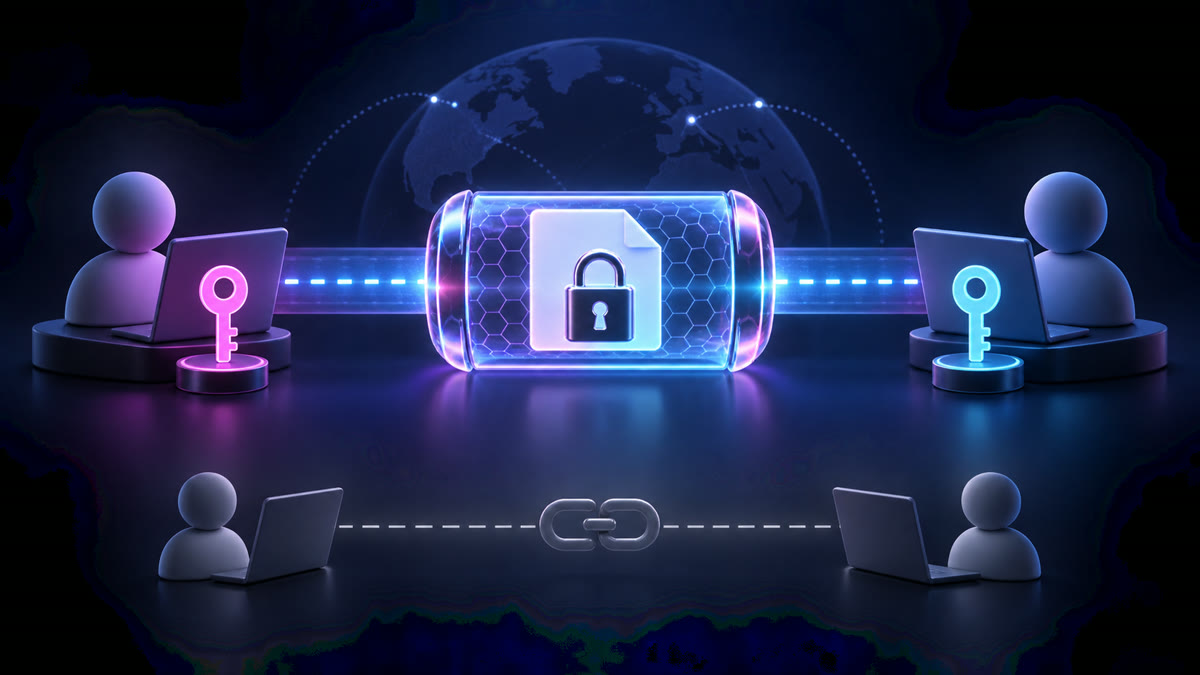
E2EE means your files are encrypted on your device before they leave it, and only the intended recipient's device can decrypt them. This is the bedrock of true data privacy.

This client-side encryption ensures that no intermediary, not even the service provider, can ever access the plaintext content of your files.

Think of it like a sealed, opaque Box that only you and the recipient have the unique key to open; everyone else just sees a box they can't tamper with, ensuring confidential file transfer.

This distinction is vital when considering The Best End-to-End Encrypted File Transfer Services of 2026.

Why E2EE is the Gold Standard for Data Privacy in 2026

Why E2EE is the Gold Standard for Data Privacy in 2026

In my experience, relying on services where the provider holds the keys is a gamble. E2EE eliminates this risk entirely, giving you true data sovereignty and superior secure file sharing.

It protects against various threats, including unauthorized access during transit, server breaches, and even subpoenas requesting access from the service provider. This proactive approach significantly reduces the risk of data breach prevention.

Beyond just the file content, many E2EE services also focus on protecting crucial metadata, such as file names and timestamps, which can be surprisingly revealing.

For both personal and professional use, E2EE is fundamental for maintaining trust and ensuring regulatory compliance like GDPR compliant file sharing or HIPAA compliant file sharing.

Key Features to Look for in a Top E2EE File Transfer Service

Key Features to Look for in a Top E2EE File Transfer Service

When I evaluate The Best End-to-End Encrypted File Transfer Services of 2026, I always start with a non-negotiable list of features:

  • True Zero-Knowledge Encryption: This is non-negotiable. The provider should explicitly state they have no access to your encryption keys. If they can access your data, it's not true E2EE.
  • Ease of Use: Security shouldn't come at the cost of a clunky interface. Look for intuitive drag-and-drop functionality that makes secure file sharing simple.
  • File Size Limits: Ensure the service can handle the size of files you regularly need to transfer, especially for large files like videos or archives.
  • Recipient Control & Permissions: Features like link expiration, password protection, and granular access control are vital for managing shared files and enhancing confidential file transfer.
  • Multi-Factor Authentication (MFA): An essential layer of security to protect your account, even if your password is compromised.
  • Privacy Policy & Audits: A transparent privacy policy and a history of independent security audits build confidence and demonstrate commitment to data privacy.
  • Cross-Platform Compatibility: Look for services that work seamlessly across various operating systems and devices, enabling flexible secure file sharing.
  • Support for Collaboration: While privacy is key, many services now offer secure ways to collaborate on encrypted documents without compromising security.

Choosing a service that excels in these areas is paramount for any serious user of encrypted cloud storage or file transfer solutions.

Our Top Picks: The Best End-to-End Encrypted File Transfer Services of 2026

Our Top Picks: The Best End-to-End Encrypted File Transfer Services of 2026

After years of testing and watching the market evolve, these are my top recommendations for The Best End-to-End Encrypted File Transfer Services of 2026. Each one stands out for its robust commitment to zero-knowledge encryption and overall user experience in secure file sharing.

  • Proton Drive: Known for its strong privacy stance and integration within the Proton ecosystem (Mail, VPN). Offers robust E2EE for files and folders, focusing on a user-friendly experience. It’s an excellent choice for those deeply invested in privacy.
  • Sync.com: A long-standing player in the encrypted cloud storage space, Sync.com excels with zero-knowledge architecture and strong collaboration features, making it ideal for business and personal use. Their commitment to privacy is unwavering.
  • Tresorit: Often cited for its enterprise-grade security and compliance features, Tresorit offers E2EE with a focus on business needs, including detailed audit trails and advanced access controls. If you need HIPAA compliant file sharing, Tresorit is a strong contender.
  • MEGA: A popular choice for its generous free storage tiers and strong E2EE implementation, particularly good for those needing to send large files. They've been pioneers in making E2EE accessible.
  • Internxt Send: Focuses on privacy and decentralization, offering a secure, E2EE solution for file transfers, often with a free tier for smaller transfers. They provide a transparent approach to confidential file transfer.

When I've tested The Best End-to-End Encrypted File Transfer Services of 2026, I've always prioritized the core E2EE claim. Do they truly hold no keys? Are their policies clear? These providers consistently deliver on that promise for data privacy.

Here’s a quick comparison of some of these top services:

Service Zero-Knowledge E2EE Free Tier Available Focus Key Features
Big File Sharing No limit No limit (permanent free) No Yes (free)
Proton Drive Yes Yes (limited storage) Privacy ecosystem, encrypted cloud storage Integrated with Proton Mail/VPN, versioning
Sync.com Yes Yes (limited storage) Secure cloud storage, collaboration File versioning, granular sharing controls
Tresorit Yes No (trial only) Enterprise security, compliance Audit trails, advanced access policies, HIPAA compliant file sharing
MEGA Yes Yes (generous storage) Large file transfers, cloud storage Generous free storage, client-side encryption
Internxt Send Yes Yes (limited transfers) Privacy, decentralized storage Focus on privacy, no registration for transfers

Beyond the Basics: Advanced Considerations for Secure Transfers

Beyond the Basics: Advanced Considerations for Secure Transfers

While the core features are essential for The Best End-to-End Encrypted File Transfer Services of 2026, there are advanced aspects that truly differentiate a good service from a great one, especially for those with heightened security needs or businesses requiring GDPR compliant file sharing.

  • Metadata Protection: While E2EE protects content, some services go further to encrypt or strip metadata that could reveal sensitive information. This extra layer of data privacy is critical for true anonymity.
  • Data Residency: For some businesses, controlling where data is physically stored (e.g., within specific jurisdictions) is a critical compliance factor. This is a must-ask question when evaluating encrypted cloud storage providers.
  • Integration with Existing Workflows: Consider if the service integrates with your other tools to streamline secure file sharing without creating friction. An API or desktop client can be a game-changer.
  • Open-Source Audits: Services that use open-source cryptography or undergo regular independent security audits often provide an extra layer of trust and transparency, giving users more confidence in their data breach prevention measures.

These deeper considerations truly help refine your choice among The Best End-to-End Encrypted File Transfer Services of 2026.

Common Misconceptions and Pain Points with E2EE

Common Misconceptions and Pain Points with E2EE

Over the years, I've noticed several recurring misunderstandings about E2EE that prevent people from adopting these crucial tools for secure file sharing. Let’s clear up a few:

  • 'It's too complicated': Modern E2EE services have significantly improved user interfaces, making them as simple to use as traditional cloud storage. Many offer intuitive drag-and-drop features.
  • 'Free E2EE isn't truly secure': While paid services offer more features and higher limits, many reputable providers offer genuine E2EE in their free tiers, albeit with limitations. Always verify the provider's reputation.
  • 'My device is secure, so I don't need E2EE': Your device's security is separate from how your files are protected in transit or on a third-party server. E2EE fills this critical gap, providing client-side encryption where it matters most.
  • 'Cloud storage with encryption is the same': Not always. Most cloud storage encrypts data at rest on their servers, but they hold the keys, meaning they can still access your data. This isn't true E2EE, which offers genuine zero-knowledge encryption. This is why it’s important to understand the difference between cloud storage vs. dedicated transfer services.

A common mistake I've seen is confusing HTTPS (encryption in transit) with full E2EE. HTTPS secures the connection, but the server still decrypts and sees your data. True E2EE ensures the server never sees the unencrypted content, upholding data privacy.

Making the Right Choice for Your Needs

Making the Right Choice for Your Needs

Your ideal E2EE file transfer service in 2026 will depend on your specific requirements: whether you're a freelancer, a small business, or an enterprise needing HIPAA compliant file sharing.

Consider the volume and sensitivity of the data you'll be transferring, as well as your budget and the collaboration features you need for secure file sharing. Don't forget that using PDF Security tools can add an extra layer of protection for specific document types.

Prioritize services that clearly explain their encryption methods and have a strong reputation for data privacy and security. This transparency is a hallmark of The Best End-to-End Encrypted File Transfer Services of 2026.

Don't hesitate to try out free tiers or trials to experience the user interface and functionality firsthand before committing to a paid plan. This hands-on approach will help you discover the perfect encrypted cloud storage solution.

Conclusion

In 2026, end-to-end encrypted file transfer services are indispensable for protecting sensitive data online.

True E2EE ensures your files are private from sender to recipient, locking out service providers and potential attackers, thereby guaranteeing confidential file transfer.

Look for services prioritizing zero-knowledge encryption, ease of use, robust security features like MFA, and flexible access controls. These are the hallmarks of The Best End-to-End Encrypted File Transfer Services of 2026.

By choosing wisely, you empower yourself with the strongest digital privacy available, making sure your information truly remains yours, and reinforcing data breach prevention.

Frequently Asked Questions

What is the primary difference between standard cloud storage and E2EE file transfer services?

Standard cloud storage often encrypts data at rest on their servers, but the provider holds the encryption keys, meaning they can access your data.

E2EE services encrypt files on your device before upload, ensuring only the sender and recipient have the keys, making the data inaccessible to the provider.

Are free end-to-end encrypted file transfer services safe to use?

Many free E2EE services from reputable providers offer genuine end-to-end encryption for smaller transfers.However, they typically come with limitations on file size, storage duration, or advanced features.

Always verify the service's reputation and privacy policy before relying on them for sensitive secure file sharing.

Can end-to-end encryption protect my metadata?

While E2EE primarily protects the content of your files, some advanced services also implement measures to minimize or encrypt metadata (like file names, sizes, and timestamps) to enhance overall data privacy.

Does my internet service provider (ISP) or network administrator see my E2EE files?

With true E2EE, your ISP or network administrator will see that you are transferring data, but they will only see encrypted, unintelligible data. They cannot view the actual contents of your files, ensuring client-side encryption is effective.

What if the recipient doesn't use the same E2EE service?

Most E2EE file transfer services are designed for secure sharing even with external recipients.

Typically, the recipient will receive a secure link and be guided through a simple process to decrypt the file, often involving a password set by the sender, without needing to sign up for the service themselves.

How important is multi-factor authentication (MFA) for E2EE services?

MFA is extremely important as an additional layer of security. Even with E2EE, if your account credentials are compromised, an attacker could gain access to your account. MFA prevents this by requiring a second verification step, significantly improving data breach prevention.

Send large files privately

Need to share files after reading? Upload with our free transfer — no signup, encrypted, auto-Deleted in 24 hours.

Upload Files

Comments

No comments yet. Be the first to comment!